Rent Above ₹50,000 a Month? The TDS You’re Supposed to Deduct
Tenants — not landlords — owe this one: 2% TDS on annual rent, deducted in the last month, deposited with Form 26QC. Skipping it while claiming HRA is a self-reported mismatch.
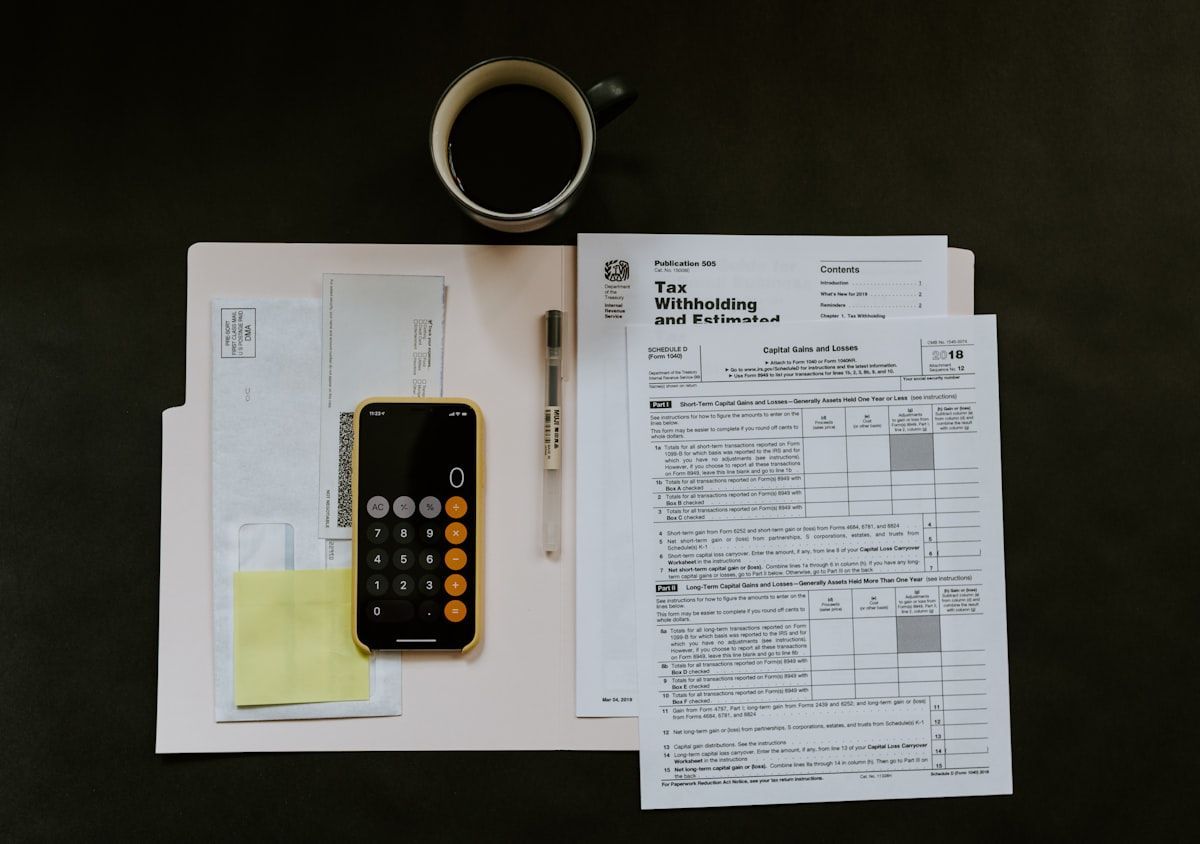
Trigger: rent > ₹50,000/month, individual/HUF tenant.
Rate: 2% of annual rent, deducted once (last month).
Deposit: Form 26QC in 30 days; Form 16C to landlord.
Miss it: 1–1.5%/month interest + ₹200/day late fee.
Who this catches
Any individual or HUF (not under tax audit) paying rent above ₹50,000 a month must deduct TDS under section 194-IB — salaried tenants in metro flats included. The rate is 2% of the annual rent (reduced from 5% from October 2024). No TAN is required.
How the deduction actually works
- Deduct once a year — from the rent of the last month of the financial year, or the last month of the tenancy if you move out earlier.
- Deposit it with Form 26QC within 30 days of the month of deduction, online, PAN-based.
- Give the landlord Form 16C (the TDS certificate) within 15 days of filing 26QC.
What happens if you skip it
- Interest at 1% per month for not deducting, 1.5% for deducting but not depositing.
- Late 26QC costs ₹200 per day under 234E, capped at the TDS amount.
- The landlord’s AIS and your rent trail (HRA claims, bank transfers) make this easy for the department to spot — the mismatch letters are routine now.
The HRA connection
Claiming HRA on ₹60,000 rent while never filing 26QC is a self-reported inconsistency. If the landlord is an NRI, section 195 applies instead — higher TDS and a TAN — see our NRI TDS guide. Paying rent to parents above the threshold triggers 194-IB too.
